
Complete Guide: How to Become a Fashion Designer – Step-by-Step Career Path
A career as a fashion designer is one of the most creative and expressive career paths in today’s modern world. Fashion is not only about clothes, but also about identity, personality, culture, and creativity. Every outfit we see in daily life or on fashion runways starts from an idea created by a fashion designer who understands trends, fabric, and human style preferences.
In today’s world, the fashion industry is growing rapidly because people are becoming more conscious about appearance and personal branding. From daily wear to luxury outfits, every segment is influenced by creativity and innovation. A fashion designer plays an important role in shaping these trends by creating unique clothing concepts that reflect modern lifestyle and culture.
Many beginners start by observing fashion trends, sketching basic ideas, and understanding how clothing is structured. Slowly, they move toward professional learning where they study fabric behavior, garment construction, and advanced creative techniques. Over time, they develop strong skills that help them become successful professionals in the fashion industry.
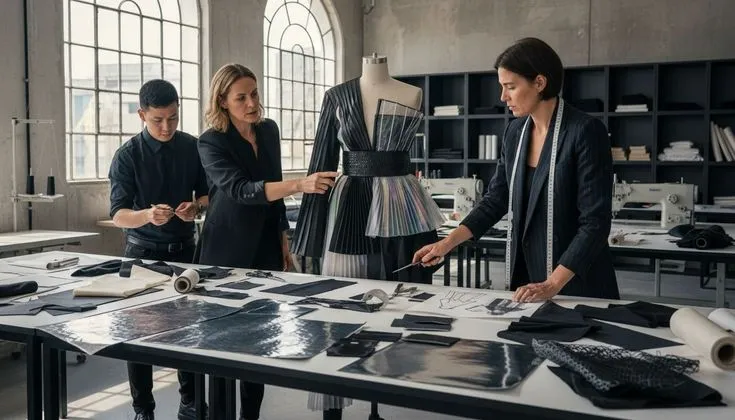
Understanding the Role of a Fashion Designer
A fashion designer is responsible for creating new clothing ideas and turning them into wearable designs. Their work involves creativity, research, and understanding market demand. A designer does not only focus on appearance but also on comfort, practicality, and cultural relevance of clothing.
Fashion designers work on different categories such as casual wear, party wear, ethnic wear, and modern luxury outfits. Every design is based on inspiration, trends, and customer needs. A strong sense of style is very important in this profession because it helps designers create unique and attractive clothing concepts.
In the learning phase, beginners explore basic ideas of fashion and understand how clothing pieces come together. They also study how colors, textures, and patterns influence overall design. This helps them build a creative foundation before entering professional training.
Step 1: Starting the Journey in Fashion Designing
The journey begins with basic education and creative interest. Many students choose fashion designing courses after completing school education. These courses help learners understand the fundamentals of design, fabric, and garment construction.
At this stage, students are introduced to sketching, fabric selection, and design development. They also learn how fashion evolves over time and how trends influence clothing choices in different markets.
This early learning phase is very important because it builds the base of creativity. Students slowly understand how ideas turn into real clothing pieces through structured learning and practice.
Step 2: Skills Required in Fashion Designing Career
To become successful in this field, creativity is the most important skill. A fashion designer must be able to think creatively and convert imagination into practical designs. Along with creativity, technical understanding is also necessary.
Important skills include:
- Creativity and imagination
- Understanding of fabric and materials
- Knowledge of design principles
- Sketching ability
- Awareness of trends
- Communication and presentation skills
- Understanding of style and aesthetics
A strong sense of style helps a designer create visually appealing and practical clothing. Designers also need to understand customer preferences so that their designs match market demand.
Step 3: Importance of Practical Experience
Practical experience plays a major role in building a successful career in fashion designing. Classroom knowledge alone is not enough; real-world exposure is necessary to understand industry expectations.
Many students start with internships in fashion studios or work under experienced designers. This helps them understand how actual projects are handled from concept to final product.
During this stage, learners work on real clothing designs, fabric selection, and sample development. They also gain experience in working with teams and understanding client requirements. This exposure improves creativity and prepares them for professional challenges.
Step 4: Career Opportunities in Fashion Industry
The fashion industry offers a wide range of career opportunities for creative individuals. A fashion designer can work in fashion houses, clothing brands, export companies, or even start their own label.
Career options include:
- Fashion designer
- Fashion stylist
- Textile designer
- Costume designer
- Fashion consultant
- Freelance designer
With the growth of digital platforms and online shopping, opportunities in fashion are increasing rapidly. Designers now have global reach and can showcase their work to international audiences.
Step 5: Challenges in Fashion Designing Career
Like every creative field, fashion designing also comes with challenges. One of the biggest challenges is competition because many people enter this industry every year.
Another challenge is staying updated with changing trends. Fashion is a fast-moving industry, and designers need to constantly evolve their ideas. They must also balance creativity with practicality so that designs are both attractive and wearable.
Time pressure and client expectations can also be challenging, especially when working on large projects or collections. However, with experience, designers learn to manage these challenges effectively.
Step 6: Future Scope of Fashion Industry
The future of fashion designing is very bright. With the rise of social media, online fashion platforms, and global branding, the demand for creative professionals is increasing.
People are more aware of personal appearance and unique styling, which is creating more opportunities in this field. Designers now have access to global audiences through digital platforms.
Freelancing and independent fashion brands are also becoming popular, giving designers more freedom and flexibility in their careers. The industry continues to evolve, making it a promising career choice for creative individuals.
Step 7: Importance of Fashion in Modern Life
Fashion plays a major role in everyday life. It reflects personality, confidence, and cultural identity. Clothing is not just a necessity but also a form of self-expression.
A fashion designer helps shape this expression by creating innovative and meaningful designs. Every outfit represents creativity, lifestyle, and personal taste.
Through modern design techniques, designers influence how people perceive style and fashion in society. This makes the profession both creative and impactful.
Becoming a fashion designer is a rewarding journey for individuals who are passionate about creativity and innovation. It requires patience, practice, and continuous learning. From understanding basic fashion concepts to mastering advanced design techniques, every step contributes to professional growth.
With strong creativity, knowledge of fabrics, and understanding of style, anyone can build a successful career in this field. Fashion designing is not just a profession but a way to express imagination and influence modern trends.
The fashion industry continues to grow, offering endless opportunities for creative minds who are ready to explore and innovate.