
Complete Guide: How to Become a Video Editor – Step-by-Step Career Path
A career as a video editor is one of the most creative and fast-growing career options in today’s digital world. With the rise of YouTube, Instagram Reels, OTT platforms, and digital marketing, the demand for skilled professionals in video editing has increased rapidly. Every brand, creator, and company today needs high-quality visual storytelling, and this is where a video editor plays a very important role.
A video editor is responsible for turning raw footage into a polished final video. This includes arranging clips, adding effects, syncing audio, improving visuals, and ensuring the final output looks professional. In modern content creation, a video editor is not just a technical role but also a creative storyteller who shapes the final impact of any visual project.
Most beginners start their journey by learning basic tools and gradually improving their skills through practice, feedback, and real projects. Over time, they move from simple editing tasks to advanced professional-level video editing work.
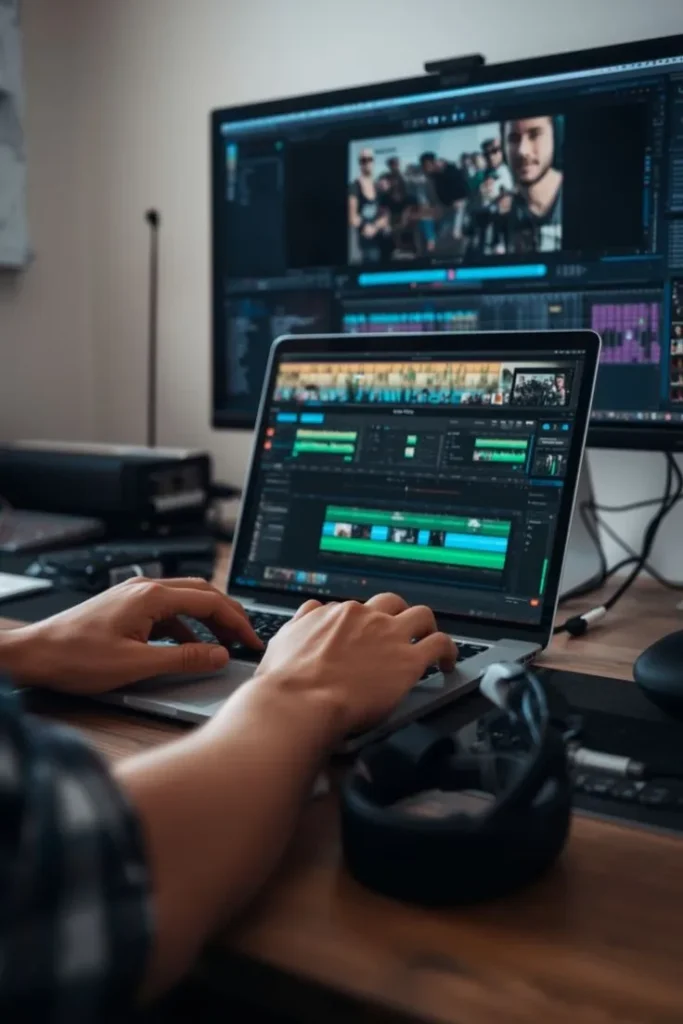
What Does a Video Editor Do?
A video editor works on transforming raw recordings into meaningful and engaging content. The role includes selecting the best clips, arranging sequences, improving video flow, and applying transitions or effects using different software tools.
A video editor also works closely with creators, directors, or marketing teams to understand the purpose of the video. Whether it is social media content, YouTube videos, advertisements, or films, editing plays a major role in storytelling.
In the learning stage, beginners often experiment with basic software and practice editing small projects. They learn how to manage content, improve timing, and understand the importance of storytelling in video editing. This early exposure builds a strong foundation for a professional career.
Step 1: Understanding the Basics of Video Editing
The journey to becoming a professional starts with understanding the basics of editing. A video editor must first learn how different clips are combined to create a smooth and meaningful video.
At the beginner stage, learners focus on:
- Cutting and trimming clips
- Adding transitions
- Adjusting audio levels
- Basic color correction
- Understanding storytelling flow
This stage is very important because it builds the foundation of video editing skills. Without understanding basics, advanced tools and techniques become difficult to handle.
Beginners often start with simple practice projects using different software to explore how editing works in real time. Continuous practice is key to improvement in this field.
Step 2: Learning Video Editing Software
To become a successful video editor, learning professional tools is essential. Different software platforms are used in the industry depending on project type and skill level.
Some commonly used tools include:
- Adobe Premiere Pro
- Final Cut Pro
- DaVinci Resolve
- Filmora
- After Effects
Each software has its own strengths. Beginners usually start with simple tools and gradually move to advanced platforms as their skills improve.
In professional video editing, understanding software workflow is very important. Editors must know how to organize timelines, manage layers, and apply effects properly to enhance the final output.
At this stage, practice and consistency matter more than speed. The more time spent on learning tools, the better the editing quality becomes over time.
Step 3: Importance of Practice and Real Projects
Practice is the most important part of becoming a successful video editor. Watching tutorials is not enough; real learning happens when you work on actual projects.
Beginners should start by editing:
- Short reels
- YouTube clips
- Travel videos
- Practice advertisements
- Social media content
Working on real content helps improve creativity and technical understanding. Each project teaches something new about timing, transitions, and visual flow.
A video editor improves only when they constantly experiment and make mistakes. Over time, these small projects help build a strong portfolio that is important for getting professional opportunities.
Step 4: Role of Feedback in Video Editing Career
Feedback plays a very important role in improving editing skills. A beginner may think their work is perfect, but professional growth happens when others review and suggest improvements.A video editor should always be open to feedback from clients, mentors, or viewers. Constructive feedback helps identify mistakes and improve overall quality.
In professional video editing, feedback is a continuous process. Editors often revise their work multiple times based on suggestions to ensure the final output meets expectations.
This learning process helps build confidence and improves creativity over time.
Step 5: Career Opportunities in Video Editing
The demand for video editors is increasing across multiple industries. Today, almost every company needs video content for marketing and branding.
Career opportunities include:
- YouTube video editor
- Freelance video editor
- Film editing assistant
- Social media content editor
- Advertising editor
- Motion graphics artist
As digital platforms grow, opportunities in video editing are also increasing rapidly. Many professionals work independently as freelancers and earn income from global clients.
Beginners often start with small projects and gradually move toward high-paying professional work as they gain experience.
Step 6: Skills Required to Become a Video Editor
To become a successful video editor, several skills are required beyond just using tools.
Important skills include:
- Creativity and storytelling ability
- Attention to detail
- Time management
- Understanding of content flow
- Basic sound design knowledge
- Color correction understanding
- Technical knowledge of software
A good video editor knows how to balance creativity and technical accuracy. The combination of these skills makes editing more impactful and professional.
Step 7: Challenges in Video Editing Career
Like any creative profession, video editing also comes with challenges. One of the biggest challenges is handling tight deadlines and client expectations.
Other challenges include:
- Long editing hours
- Revisions based on feedback
- Learning new software updates
- Maintaining creativity under pressure
However, these challenges help a video editor grow professionally. Over time, experience makes it easier to handle complex projects and improve efficiency in video editing work.
Step 8: Future Scope of Video Editing
The future of video editing is extremely bright. With increasing demand for online content, OTT platforms, and social media marketing, the need for skilled editors is growing every year.Companies and creators are constantly looking for professionals who can produce high-quality visual content. This makes video editing one of the most promising careers in the digital era.
With advanced tools and evolving software, opportunities are expanding globally. Freelancing and remote work options also make this career flexible and highly rewarding.
Becoming a video editor is a creative and rewarding career path for individuals who are passionate about storytelling and visual creativity. The journey requires patience, practice, and continuous learning.From understanding basic tools to mastering professional software, and from working on simple content to handling complex projects, every step helps build a strong foundation in video editing.With the right skills, consistent practice, and openness to feedback, anyone can become a successful video editor and build a strong career in the digital world.