
Complete Guide: How to Become a Pharmacist: Education, Skills & Job Opportunities
A career in the field of pharmacy is one of the most important and fast-growing parts of the modern medical healthcare system. Pharmacy is not just about handling drugs or medicines, but also about deeply understanding how medicine works inside the human body, how drugs interact with biological systems, and how they help improve overall health outcomes in patients. In today’s world, pharmacy has become a backbone of the medical healthcare system because safe use of medicine, drugs, and medications directly impacts recovery, safety, and long-term health. The demand for pharmacy professionals is increasing rapidly as awareness about healthcare and safe medication use continues to grow.
This guide explains the complete journey of becoming a pharmacist, including education, skills, chemist responsibilities, medical understanding, and career opportunities in detail.
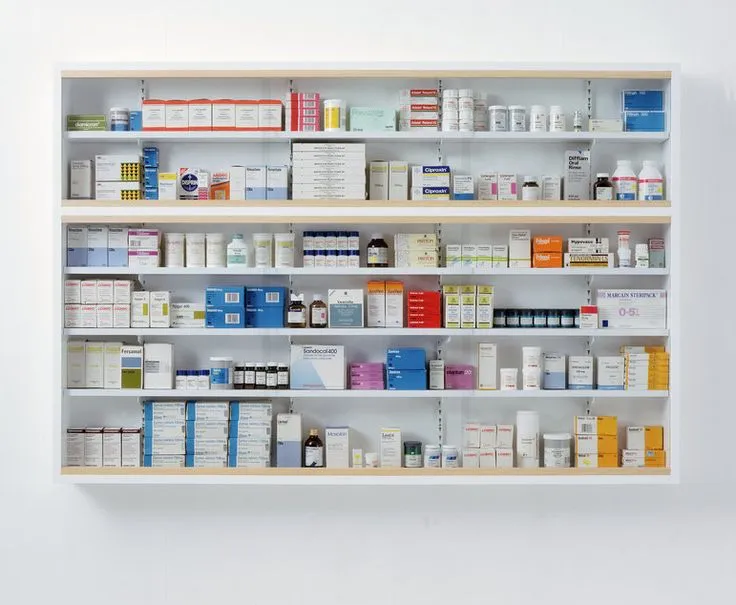
What is Pharmacy in Real Life?
Pharmacy is a healthcare science that focuses on preparing, studying, and distributing medicines, drugs, and medications for patients. A pharmacist ensures that every patient receives the correct medicine in the right dosage and at the right time, which is extremely important for safe treatment and recovery. This makes pharmacy a key pillar of the medical healthcare system, where accuracy in medicine and drugs is essential for protecting patient health.
In real-life practice, pharmacy is not limited to working in a medical store or chemist shop. It also involves understanding prescriptions, analyzing medicine safety, checking drug interactions, and guiding patients on proper usage of medications. A chemist often serves as the first point of contact in the healthcare system, helping people access essential medicine and drugs for common health issues.
Pharmacists also work closely with doctors and other medical professionals to ensure that medicines, drugs, and medications are used correctly. With advancements in healthcare, pharmacy has expanded into research, drug development, and clinical testing, improving the quality of medicine used in hospitals and strengthening the overall medical system.
Step 1: School Education Foundation
The journey into pharmacy begins after 10th or 12th grade, depending on the academic path chosen by the student. A strong science background is essential because subjects like Chemistry and Biology form the foundation of pharmacy education and healthcare understanding.
Chemistry helps students understand how medicine and drugs are created and how they react inside the human body. Biology helps in understanding body systems, diseases, and how medications affect different organs and overall health. These subjects together build the base required for studying pharmacy at a professional level.
At this stage, students should focus on building conceptual clarity rather than memorization. Strong fundamentals in science help students later understand complex topics related to medicine, drugs, pharmacy systems, and medical healthcare processes more effectively.
Step 2: Choosing Pharmacy Courses
After completing 12th grade, students interested in healthcare can choose pharmacy courses such as D.Pharm or B.Pharm based on their career goals. These programs are designed to provide both theoretical knowledge and practical exposure in medicine, drugs, and healthcare systems.
D.Pharm is a diploma course that focuses on basic understanding of pharmacy, medical store operations, medicine handling, and drug usage. B.Pharm is a more advanced degree program that includes detailed study of pharmaceutical science, drug development, medicine formulation, and healthcare systems.
During these courses, students learn how medicine is prepared, how drugs work inside the human body, and how medications are safely administered. They also gain knowledge about drug interactions, dosage calculation, and patient safety, which are essential in medical healthcare practice.
This stage builds the professional foundation required to work in hospitals, chemist shops, pharmaceutical companies, and healthcare organizations.
Step 3: Learning About Medicines and Drugs
A major part of pharmacy education involves studying medicine, drugs, and medications in detail. Students learn how medicines are developed in laboratories, tested for safety, and approved for use in the healthcare system.
They also study how different drugs affect the human body and how medications are used for treating diseases and improving patient health. Understanding drug safety is extremely important because incorrect usage of medicine or drugs can lead to serious health risks.
This knowledge helps future pharmacists ensure safe handling of medicine, drugs, and medications in real healthcare environments. It also enables them to guide patients properly and support better medical treatment outcomes.
Step 4: Role of Chemist in Pharmacy Field
A chemist plays a very important role in the pharmacy and medical healthcare system. In many communities, chemists are the first point of contact for patients who need medicine, drugs, or basic healthcare support.
A chemist is responsible for dispensing medicines, checking prescriptions, and guiding patients on proper usage of drugs and medications. They also ensure safe storage and handling of medicines to maintain quality and effectiveness.
Chemists act as a bridge between doctors and patients by ensuring that prescribed medicine is delivered correctly and safely. This makes them an essential part of the healthcare system, where accurate handling of drugs directly affects patient health.
Step 5: Practical Training in Pharmacy
Practical training is a crucial part of pharmacy education because it helps students understand how real healthcare systems function. It provides hands-on experience in handling medicine, drugs, and medications in real medical environments.
During training, students learn how to read prescriptions, manage medicine distribution, and handle patient requirements in hospitals and healthcare setups. This exposure helps them understand real-life challenges in pharmacy practice.
Students also get opportunities to work in hospitals and chemist shops, where they observe how medicines and drugs are used in actual treatment processes. This improves accuracy, responsibility, and confidence in professional healthcare work.
Step 6: Career Opportunities in Pharmacy
After completing pharmacy education, there are multiple career opportunities in the medical healthcare sector. Graduates can work in hospitals, pharmaceutical companies, research laboratories, or chemist shops where medicine, drugs, and medications are used daily.
Major roles include hospital pharmacist, chemist, drug safety officer, research associate, and quality control analyst. Each role contributes to maintaining safe use of medicine and improving healthcare systems.
Pharmacists also work in pharmaceutical manufacturing companies where they help develop new medicines and improve existing drugs for better treatment outcomes and patient care.
Step 7: Scope of Pharmacy in India
The scope of pharmacy in India is increasing rapidly due to rising healthcare awareness and growing demand for safe medicine usage. People are becoming more conscious about health and are actively seeking proper medical treatment and guidance.
This has created strong demand for pharmacy professionals in hospitals, clinics, pharmaceutical companies, and chemist shops. The healthcare system depends heavily on pharmacists to ensure safe use of medicines and drugs.
Even small chemist shops play a major role in providing essential medicines to local communities, making pharmacy a vital part of everyday healthcare services.
Step 8: Challenges in Pharmacy Career
Like any healthcare profession, pharmacy also comes with challenges that require dedication and continuous learning. Students must study complex topics related to medicine, drugs, and medications, which demand strong understanding and attention to detail.
Pharmacists also carry significant responsibility because even small mistakes in handling medicine or drugs can directly affect patient health and safety.
Continuous learning is essential because new medicines and drug technologies are constantly being developed in the healthcare system. Despite these challenges, pharmacy remains a stable and respected career in the medical field.